Have you ever gone to bed wondering, “Did I lock my garage door?”
You know when you go to bed, and you cannot stop thinking if you locked your garage. A lot of people do this. The garage door is really easy to get into. That is why it is a big problem
Garages are not just for cars anymore. They have a lot of things like tools and sports equipment and bikes. A lot of the time the garage is connected to the rest of the house by a door. So if someone can get into your garage it is not a problem for your garage. It is a problem for your home. The lock on your garage door is really important for keeping your home safe.
The good news is that garage door locks have really improved. We used to have locks that you had to open by hand. Now we have garage door locks that are smart and you can open them from your phone. This guide will tell you everything you need to know about garage door locks.
Why Garage Door Locks Matter for Home Security
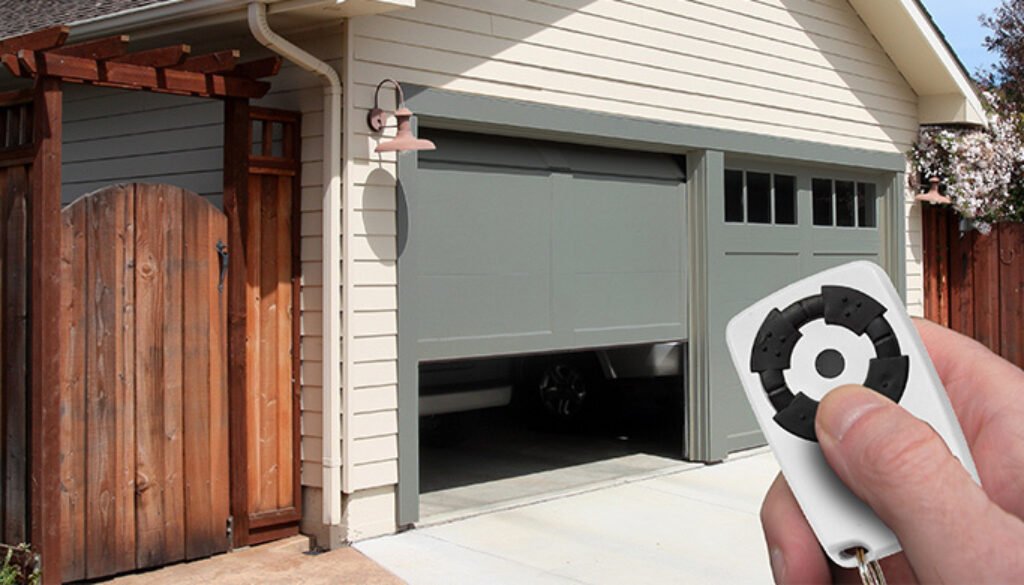
Think about all the stuff in your garage now. Your car, power tools, bikes and lawn equipment. Maybe you also have a spare house key. For families the garage has lots of valuable things worth thousands of dollars. Its often protected by a door that people don’t lock properly.
Garages are a common way for burglars to get into homes. It’s not always, about breaking windows or kicking in doors. Most of the time they just walk through the garage. This is because the garage door locks are often broken, old or just not used.
Traditional locks that came with garage doors are not good enough anymore. These locks get worn out easily. It is simple for someone to bypass them. They do not stop people who know how to get around them. Modern garage door locking mechanisms are much better. They work well with home security systems. You can even check on them from away.
Choosing a lock for your garage door is a simple way to make your home more secure. A lot of people do not think about doing this, which is surprising because it is such an easy thing to do.
Understanding the Garage Door Lock Mechanism
Before you pick the lock or solve an issue with one you already have it’s helpful to know whats really happening inside the door. Understanding the garage door lock mechanism makes it easier to follow the rest of this guide.
How Does a Garage Door Lock Work?
When you turn the handle or key on a garage door it makes some metal rods inside the door move. These metal rods go out to the left and right. When the metal rods are in the brackets the garage door cannot go up or down. That is how it works.
The handle, on the outside of the garage door is connected to a lock. You put a key in the lock. Turn it. This makes the lock move, which makes the metal rods go in or out. On the inside of the garage door there is usually a handle or lever that you can turn to make the metal rods move and you do not need a key to do this.
Common Parts of a Garage Door Locking System
When something breaks it is helpful to know how each part works. This way you can figure out which part is not working right.
Lock cylinder
This is the part where you put your key. It helps turn the key into a movement that makes the rods work. If they are not working fine, some expert can drill into them. Use special tools to open them.
Lock rods
Lock rods are metal bars that go into the tracks. When lock rods bend it is a reason the garage door lock mechanism does not work right.
Latches
Latches are the parts that connect the handle to the lock rods. If a latch gets cracked or broken the handle will just spin around without doing anything.
Security bars
Security bars are strong parts that some garage doors have. They go across the door and are much better at keeping people from forcing their way in, than the regular lock rods.
Types of Garage Door Locks and Locking Systems
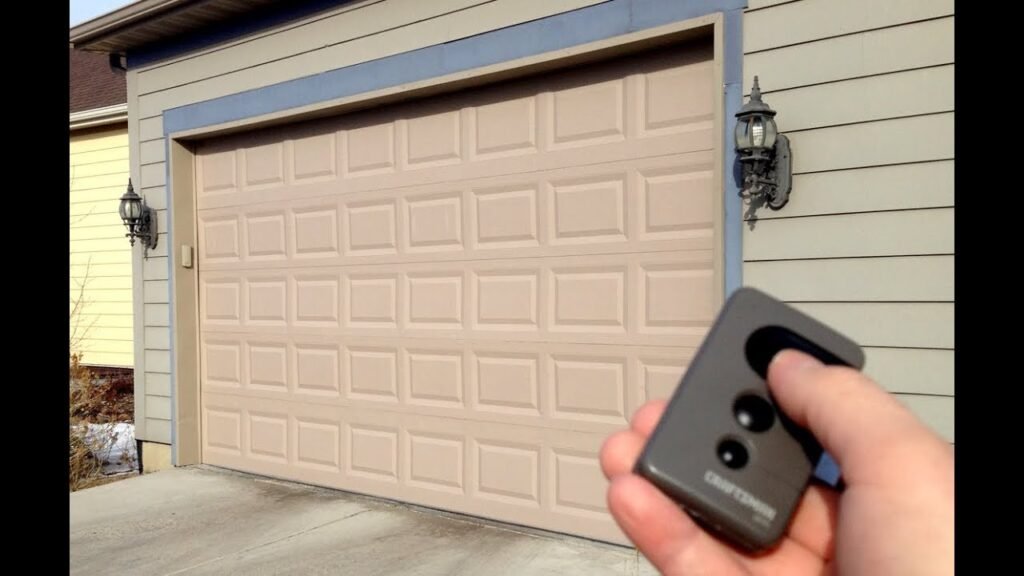
Garage door locks are not all made the same. The kind of lock that is best for your house depends on the kind of door you have how often you open and close the garage and how safe you want your home to be.
T-Handle Locks
This lock is what you usually see on older garage doors and the ones that are not too expensive. They work on regular garage doors. The bad thing, about these locks is that the old ones are not very hard to open if the lock is not very good.
Side Slide Locks
Side slide locks are really great for locking your garage door from the inside. People like to use side slide locks. If you are going on vacation and you want to know how to lock the garage door you should think about getting a side slide lock.
Deadbolt Garage Door Locks
They have a steel bolt that goes into the door frame when you lock it. Deadbolt garage door locks are much better, than the handle locks. They do not usually come with garage doors. You have to add them as a feature.
Padlock Systems
Padlocks are really useful for garage doors. They work with a hasp and staple system that is attached to the door and the frame. Padlocks are also good, for use when your other lock is broken and needs to be fixed.
Smart Garage Door Locks
Smart locks use your home WiFi network. Let you control your garage door from a smartphone app. The garage door locking mechanism is usually controlled by a motor. It locks itself after a while. Smart locks work with things like Alexa and Google Home.
Automatic Opener-Based Locks
Some garage door openers have a feature that locks the door for you. This is really helpful for people who often forget to lock the garage when they drive in. The garage door opener does the locking, for you so you do not have to worry about it..
Comparison Table: Which Lock Is Right for You?
| Long type | Security level | Approximate cost | Best for |
| T-Handle Lock | Moderate | Low | Standard residential doors |
| Side Slide Lock | High | Low | Interior security, vacations |
| Deadbolt Lock | High | Moderate | Upgraded home security |
| Padlock System | Variable | Low | Temporary or Supplemental |
| Smart Lock | Very high | High | Modern homes, remote access |
| Opener Based Lock | High | Included with opener | Daily convenience |
Garage Door Lock Installation Guide
Getting the right garage door lock is one thing. Putting it in the right way is something else. A lot of people who own homes think garage door lock installation is a weekend thing but it is not.
Signs You Need a New Lock
Before you install anything, is a new lock really what you need?
Rust on the mechanism
This is a sign that something is wrong. If the rust is on the outside of the handle it’s not a big deal. If the cylinder or lock rods are rusty the internal parts are wearing out and the lock will stop working soon.
Loose mechanism
This is another warning sign. If the handle is loose the rods feel sloppy or the cylinder doesn’t turn smoothly the internal parts are worn out. Lubrication won’t fix it.
Lost keys
This one seems obvious. People often put it off. A lock without a key is a piece of hardware. You can rekey some cylinders. Replacing the whole lock is often the best option, especially if its an older system.
Security upgrade
Upgrading your lock is, about getting protection not because something is broken. You want to make sure you have the best security available now. A new lock can give you that.
Tools Required for Installation
You do not need a large toolkit for a standard garage door lock installation job. Here is what to have ready before you start:
- Drill with drill bits sized for your lock kit
- Screwdriver set, both flat and Phillips head
- Measuring tape
- Pencil for marking hole positions
- Wrench or pliers for tightening rod connections
- Safety glasses
If you are putting in a lock where an old one was, the holes might already be the right size for the new lock. So you should measure the holes first before you make any holes.
Step-by-Step Installation Process
Step 1 — Remove the old lock
Open the door and start by removing the screws. Then pull out the lock body. Unplug both lock rods.
Step 2 — Align the new lock assembly
Put the lock where it belongs make a note of where the holes are and drill some if you need to. Make sure it is secure but do not overtighten.
Step 3 — Install the rods
Connect the rods to the lock. Adjust how long they are. Make sure they move smoothly into the track brackets.
Step 4 — Test the operation
Check the lock from both, inside and outside. If it feels hard to move adjust the rods a bit.
DIY vs Professional Installation
DIY garage door lock installation is easy for standard T-handle and slide lock replacements.If the existing holes are okay and the door panel is, in shape the job takes about thirty to forty-five minutes. You can do it yourself if your T-handle or slide lock needs replacement.
Professional installation makes sense when it comes to lock wiring. It also makes sense when you need to drill holes. If you’re combining multiple lock types on one door. A professional will get the alignment, from the start. They’ll ensure the garage door locking mechanism works properly.
How to Lock the Garage Door Properly
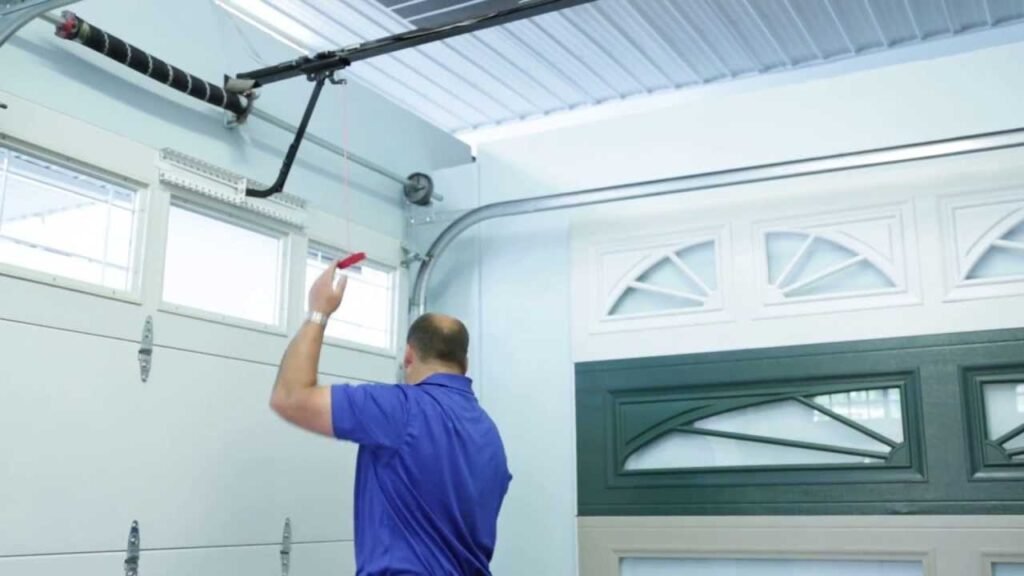
Knowing how to lock garage door matters. It depends on what kind of door you have, where you are when you lock it and the situation.
Locking a Manual Garage Door
Insert the key into the lock. Then you have to turn the key around until you hear both rods click into place. When you hear that click you will know it is done.
Locking a Garage Door from Inside
Push the lever or the thumb turn until the rods click into place. After that you should slide the slide lock to make it even more secure. This way the lock will be really secure.
Locking a Garage Door During Vacations
Use a slide lock and a padlock through the track. Disconnect the emergency cord of the opener so the door can’t be lifted with a remote. Also make sure the emergency cord is disconnected.
Locking a Garage Door During Power Outages
Engage the lock rods right away. Your garage door opener will not work. But a properly locked garage door locking mechanism still holds the door secure.
How to Lock Garage Door for Maximum Security
Learning how to lock your garage door properly is not about turning a key. There are some steps you can take to make your garage a lot harder to break into.
Use A Slide Lock
Mount a strong slide lock on the inside track of your garage door. This will physically Stop your garage door from moving in any direction. you should also disconnect the emergency release.
Disconnect Emergency Release
Remove the emergency release cord. Use a zip to secure it. Burglars often try to use a wire to pull on the emergency release cord through the gap at the top of your bridester
Install a Security Bar
Put a floor-mounted security bar under the garage store. The floor-mounted security bar resists force, then can bypass the standard garage door locks entirely
Add Motion Sensors
Put a motion activated sensor on the garage entrance. these motion activated census will turn on lights. set of alarms when they see someone moving around outside the garage.
Upgrade to Smart Monitoring
Connect a lock to your phone. alerts when your phone will let you know if the garage door locking mechanism is used or if someone tries to get around it.
Common Garage Door Lock Problems and Solutions
Even the best door locks can have problems over time. there is what causes issue and how to fix them
Lock Won’t Turn
The cylinder gets worn out or dry. To fix this put a graphite-based lubricant directly into the keyhole. Try the lock again. If lubrication does not work you need to replace the cylinder.
Frozen Lock in Winter
When moisture gets inside the cylinder and freezes, the lock gets stuck. You can buy a de-icer spray at a hardware store to fix this. If you do not have the spray gently heat the key before inserting it into the lock.
Misaligned Lock Rods
Sometimes the rods do not line up with the track brackets when you turn the key. To fix this loosen the rod clip screws.
Broken Key Inside Lock
If you have a broken key inside your lock do not try to turn it. You need to get a locksmith to help you. They can get the key out without hurting the garage door lock mechanism.
Stuck Lock Mechanism
Sometimes the garage door locking mechanism gets stuck. You should check the rods to see if they are bent or if there is something in the way. If a rod is bent you can try to straighten it with pliers.
How to Pick a Garage Door Lock?
Understanding how garage door locks get compromised helps you make security choices. Knowing this information can keep your home safe.
Why Weak Locks Are Vulnerable
Cheap lock cylinders have internal pins. A simple pick tool can easily open them in few seconds, this happens wihtout causing any damage.
Signs of a Low-Quality Lock
Watch for these signs on your current garage door lock mechanism:
- Wobbly handle
- Loose cylinder
- Thin metal rods
- No brand markings
- Keyhole feels sloppy
- Cheap plastic components
- Lightweight overall feel
- Shallow key cuts
Features That Resist Tampering
High-security cylinders have pins that stop people from picking the locks with regular tools. This makes it very difficult for anyone trying to get in without a key.
Best Security Upgrades for Homeowners
Replace the cylinders with Grade 1-rated locks. The garage door lock installation is worthwhile when you use Grade 1-rated locks and a slide lock together.
Smart Garage Door Lock Technology and Home Automation
Smart garage door locks have really changed how poeple keep their homes secure. Now you do not have to be at home to check if garage is locked.
Smartphone control
You can lokc your garage door fron anywhere using a special app on your phone. The app alos tells you if the door is locked or not.
Remote access
You can let family members, delivery people, or a repair technician into your garage without giving them your key. You can do this even if you are not at home.
Activity alerts
You will get a notification away whenever someone triggers the open closes or accesses the Garage door looking mechanism
Integration with the security system
You can connect locks to your home alarm cameras and motion sensors. All these devices work to get there on one security dashboard.
Garage Door Lock Maintenance Checklist
Your garage door locks will work right. Last a lot longer if you take care of them.
Monthly Inspection
You should try your lock a couple of times a month to see if it is working okay. Check to see if any screws are loose if the rods are hard to move and if it is hard to turn the key.
Lubrication Tips
You should put some graphite powder in the lock every three months. When you need to lubricate the lock rods and the track brackets use silicone spray.
Weather Protection
You should seal the gaps around the lock area with weatherstripping. This will stop moisture from getting into the garage door lock mechanism and freezing inside.
Seasonal Maintenance
You need to check the rod alignment every season. That will make the garage door locking mechanism move out of place over time.
Maintenance Checklist Table
| Task | Frequency |
| Test lock operation | Twice monthly |
| Inspect screws and hardware | Monthly |
| Lubricate cylinder with graphite | Every 3 months |
| Lubricate rods and brackets | Every 3 months |
| Check rod alignment | Every season |
| Inspect weatherstripping | Every season |
| Full lock inspection | Annually |
| Replace worn components | As needed |
| Test smart lock battery | Every 6 months |
| Professional inspection | Annually |
When Should You Repair or Replace a Garage Door Lock?
Knowing when to fix or replace your garage door locks can save you money. It also helps keep them working at the security level.
Repair Scenarios
Fix the garage door lock if one part has broken. You can fix rods, dry cylinders and loose screws without replacing the whole lock.
Replacement Scenarios
Replace the garage door mechanism if it is damaged. This includes when the cylinder is cracked. Also, replace it if the roads are severely bent.
Cost Vs Security Considerations
Repairing costs less at first. Fixing an old garage door lock on an older door usually causes more problems over time than buying a new quality one. An outdated locking mechanism means you pay again and again.
Frequently Asked Questions
What is the most secure type of garage door lock?
Garage door locks that have deadbolts and slide locks are secure.
Can I install a garage door lock myself?
Yes, basic garage store lock installation is something that most people can do
Do automatic garage doors need manual locks?
Yes manuals look good to have when the power is out.
How often should garage door locks be replaced?
Garage door locks should be replaced every 8 to 10 years.
What causes garage door locks to fail?
Garage door locks can fail because of rust, old cylinders, rods that are not lined up right and just being used every day.
Are smart garage door locks worth it?
Smart glass door locks are good because they let you keep an eye on things.
Final Thoughts
Garage door locks are not something to think about after a problem happens. The right lock, properly installed and regularly maintained, protects everything inside your garage and everything beyond it. You can choose a slide lock, a deadbolt upgrade or even a full smart garage door locking mechanism. The key thing is to make a choice rather than leaving your garage door security to chance. If you are unsure which option suits your home best a professional garage door lock installation consultation can help. They take the guesswork out entirely.
Experience and Recommendation
After working on garage doors in homes we have noticed one thing. Homeowners who take care of their garage door locks almost never have sudden failures. A simple check every month and some lubrication a times a year is really all it takes to keep a good lock working properly for years.